The Great Ocean Road: a memorial road and the stops worth your time
The Great Ocean Road was built by returned soldiers as a memorial. Here is the story behind it and a sensible way to plan the stops.
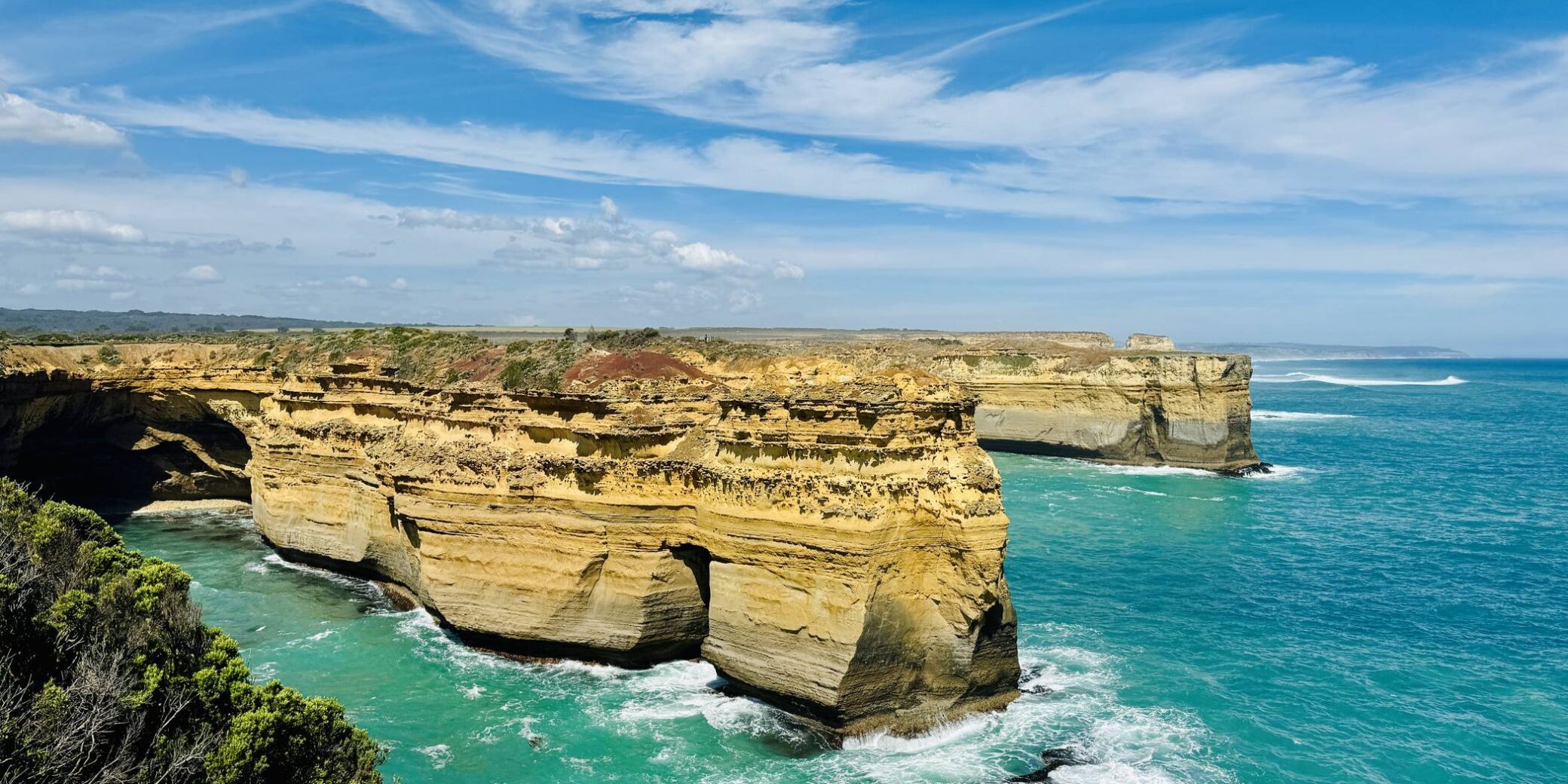
Most people think of the Great Ocean Road as a scenic drive. It is that, but it began as something else. The road was built as a memorial to the people who served in the First World War, and the men who built it were returned soldiers. Knowing that changes how it feels to drive it.
The story behind the road
According to the Australian Government’s heritage assessment, a works program on the road employed more than 3,000 returned servicemen over 13 years, from 1919 to 1932. The road was officially opened on 26 November 1932. It is on the National Heritage List, together with its scenic surroundings.
The road runs along the south-west Victorian coast, and the heritage assessment measures the section from Torquay to Allansford at about 242 kilometres. Other sources give slightly different figures depending on where they start and end, so treat any single number as an approximation. What matters is that a drive along the whole road is a long one if you stop at the places worth stopping.
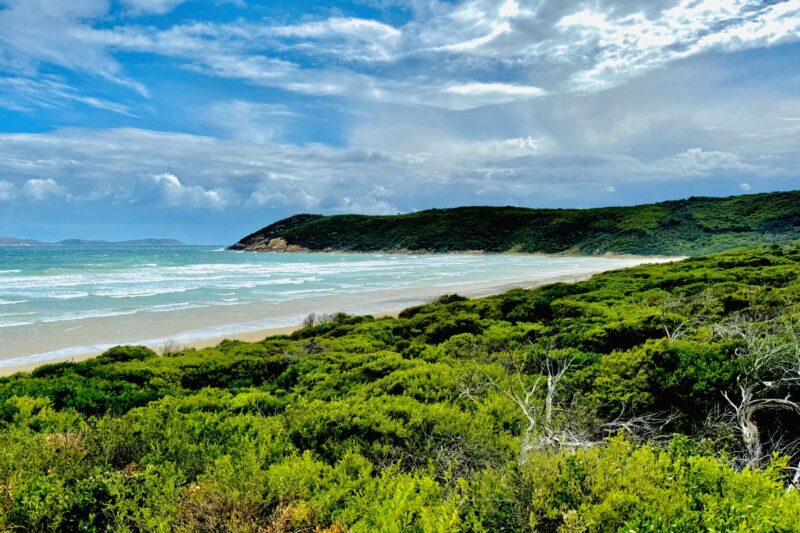
The stops
Our Great Ocean Road tour page lists many places along the way. A selection, in the order they come on the route:
- Point Addis Beach Lookout, one of the first views of the coast
- Bells Beach, where you can watch surfers
- Split Point Lookout, a lighthouse with a view of Eagle Rock
- The Great Otway National Park, with rainforest walks
- Apollo Bay, a coastal town where the tour stops for lunch
- The Twelve Apostles, limestone stacks standing in the sea
- Loch Ard Gorge, where the page tells the story of a famous shipwreck
- Gibson Steps, which take you down to the beach to see the cliffs from below
Wildlife is part of the trip too. The tour page mentions koalas and kangaroos, so bring your camera and keep your eyes on the trees.
How long to allow
The tour page for our Great Ocean Road Journey gives a duration of 12 to 14 hours, which is a full day from pick-up to drop-off. That tells you something about the distance. Many visitors try to fit the road into a shorter trip and end up spending most of the day looking out of the car window. If you want time at the lookouts, a night or two along the coast gives you a more relaxed trip.
Light matters for photographs. The Twelve Apostles look different in the morning and the late afternoon, and the weather can change the colour of the sea in minutes. If the first stop is cloudy, wait a little before you move on.
A sensible way to split it up
Many people think of the road as one long drive, but it works better as three short ones. The first part, from Torquay, is about beaches and surf. The middle part, around Apollo Bay, is about the forest and the coast together. The western end, with the Twelve Apostles and Loch Ard Gorge, is about the cliffs. If you try to see all three in a rush, the cliffs at the end arrive when everyone is tired.
If you have only one day, decide in advance what matters most to your group and give it extra time. If you have two, sleep in or near Apollo Bay and see the western stops in the morning light.
Driving it yourself
If you drive, take care. The road winds along the coast with many bends, and drivers who are watching the view can forget the road. Use the signed lookouts and car parks instead of stopping on the road. Our guide to driving in Victoria as a visitor covers the road rules, including wildlife at dusk.
Respect the place
Stay on the paths and fences at the cliff edges. Cliff edges can be unstable, and signs and fences are there for a reason. Take your rubbish with you, and keep a safe distance from the edge when you take photos.
Join a tour
If you would like a local to do the driving and tell the stories, read the full description of The Great Ocean Road Journey or send an enquiry with your dates and group size.